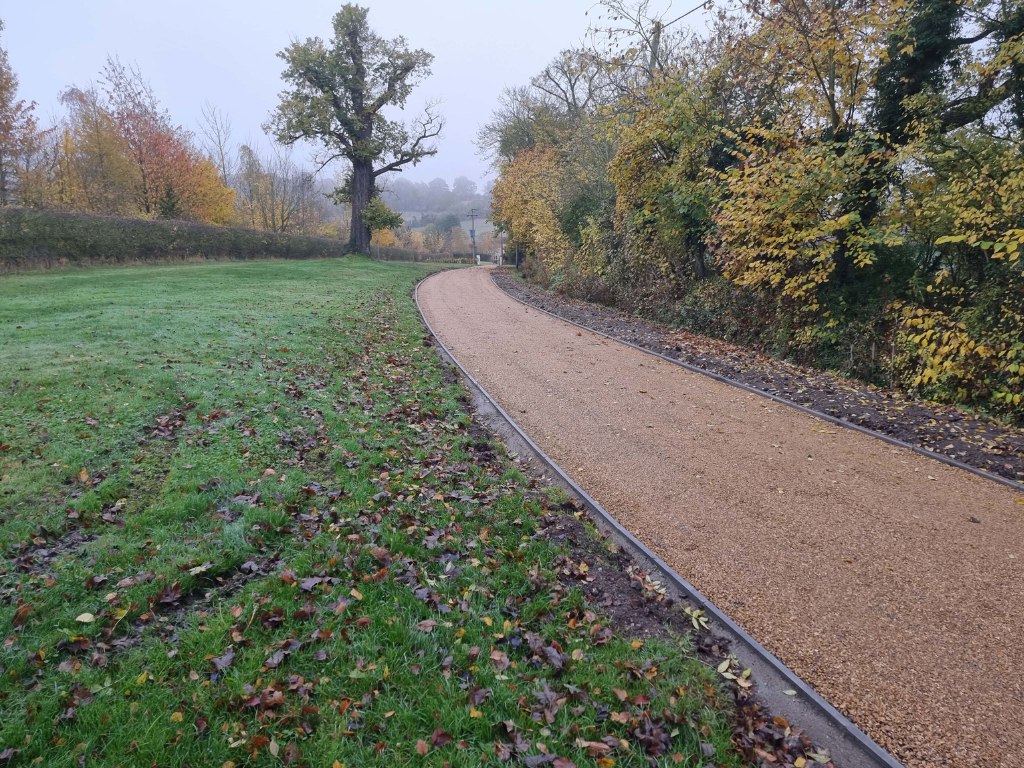
Why Proper Preparation Is Essential for a Long-Lasting Resin Driveway
A resin driveway can provide a smooth, attractive and practical surface, but the quality of the finished result depends heavily on what happens before the resin mixture is installed. Proper preparation creates the stable foundation needed to support everyday vehicle use and helps the finished driveway perform as intended.
For homeowners in Mildenhall, Suffolk, understanding the importance of preparation can help when planning a new resin driveway or replacing an unsuitable existing surface.
What Is Resin Driveway Preparation?
Preparation involves getting the existing area ready to receive the resin-bound surface. This can include removing unsuitable material, addressing existing defects, establishing the correct levels and creating an appropriate base.
The exact preparation required depends on the condition of the site, the existing surface and how the driveway will be used. A professional assessment should therefore take place before installation rather than assuming every driveway requires the same approach.
Why a Stable Base Matters
A resin-bound surface needs a suitable, stable base beneath it. If the underlying structure moves excessively, the finished surface can be affected regardless of the quality of the resin and aggregate used.
Ground preparation may involve excavation and the installation or improvement of a suitable sub-base. The material must be properly compacted to create a firm foundation capable of supporting the finished driveway.
This is one of the most important stages of the installation because problems beneath the surface can be difficult to correct once the resin has been laid.
Dealing with Existing Surface Problems
An existing driveway may contain cracks, uneven areas, damaged sections or weak ground. Covering these problems without addressing their cause can affect the new surface.
Before installation, the condition of the existing area should be assessed carefully. Any unsuitable sections may need to be removed or repaired so that the new driveway is installed over an appropriate foundation.
This approach helps avoid simply transferring existing problems into the new surface.
Getting the Levels and Falls Right
Correct levels are essential for both the appearance and performance of a resin driveway. The surface needs to be planned so that rainwater can drain effectively rather than collecting in low areas.
During preparation, the proposed finished height should be considered in relation to surrounding paths, entrances, thresholds and drainage points.
Getting these details right before the resin is installed helps create a more functional and consistent finished driveway.
Why Drainage Should Be Planned Early
Water management should be considered as part of the preparation process rather than treated as an afterthought.
The driveway layout, surrounding ground and existing drainage arrangements all need to be considered. Where appropriate, the design can incorporate suitable drainage measures to help manage surface water.
Good preparation therefore involves looking at the entire area, not simply the section that will receive the resin.
Choosing the Right Aggregate and Resin System
Preparation is only one part of achieving a reliable resin driveway. The resin and aggregate combination should also be appropriate for the intended application.
Factors such as the required finish, expected vehicle use and site conditions should be considered when selecting materials. The aggregate must be clean and suitable for use with the chosen resin system.
Professional installation helps ensure that the materials are mixed and applied according to the requirements of the system being used.
Weather and Installation Conditions
The condition of the site and weather during installation can also influence the finished result. Resin systems generally require appropriate conditions for mixing, laying and curing.
The surface should be prepared correctly and kept suitable for installation. Moisture, unsuitable temperatures or poor preparation can interfere with the installation process.
Planning the work carefully helps provide the conditions needed for a consistent finish.
Common Problems Caused by Poor Preparation
Insufficient preparation can contribute to problems such as:
- Cracking or movement
- Uneven areas
- Surface deterioration
- Poor drainage
- Loose aggregate
- Failure around edges
- Premature wear
These problems are not necessarily caused by the resin itself. In many cases, the condition and stability of the underlying surface play an important role.
Professional Resin Driveway Installation in Mildenhall, Suffolk
At Mildenhall Driveways, we understand that preparation is a fundamental part of installing a resin driveway. We assess the area before work begins, consider the existing ground and plan the base, levels and drainage around the requirements of the property.
A properly prepared foundation allows the resin surface to be installed over a suitable structure and helps create a practical, attractive driveway for everyday use.
If you are considering a resin driveway in Mildenhall, Suffolk, contact Mildenhall Driveways to discuss your requirements and arrange a professional assessment.
Conclusion
A long-lasting resin driveway starts beneath the visible surface. Suitable ground preparation, a stable base, correct levels, effective drainage and appropriate materials all contribute to the performance of the finished driveway.
For homeowners in Mildenhall, Suffolk, investing attention in the preparation stage can help ensure that the finished resin surface is properly suited to the property and its intended use. If you are planning a new resin driveway, contact Mildenhall Driveways to discuss your project and arrange a professional installation.
Call us on: 01638 597 108
Click here to find out more about Mildenhall Driveways
Click here to complete our contact form and see how we can help with your driveway needs.